Key Takeaways
Hosting an eco-friendly event is no longer just about your image: it’s a profitable strategic choice that aligns with modern ESG norms. Here are 5 levers to help you achieve it:
Energy: Select energy-efficient venues equipped with LED lighting to reduce the carbon footprint of your conference and event planner strategy.
Mobility: Prioritize central locations and carpooling.
Digital: Go paperless with digital programs to effectively measure your environmental impact.
Gastronomy: Choose local caterers and adjust quantities based on actual attendance.
Circular Design: Invest in reusable decor rather than single-use materials.
A corporate event gathering 200, 300, or 800 people is a major milestone for your company. It is an exceptional showcase to embody your culture, unite your teams, and inspire your partners.
Today, rethinking the logistics of these large gatherings through the lens of sustainable development is no longer just about optics: it is a smart management decision. In a context where ESG norms and talent attraction are at the core of business strategies, designing an eco-friendly event serves as tangible proof of your leadership. As an experienced corporate event planner, Kumpanni is here to help you navigate this shift in a structured, pragmatic, and above all, measurable way.

1. Smart Mobility: Rethinking the Attendee Journey
Guests commuting to the venue is often the starting point of the event experience. It is also an excellent opportunity to innovate and foster team cohesion before the event even begins.
- Strategic venue selection: If you are working with an event planner in Montreal, prioritizing central locations that are accessible by public transit will make life significantly easier for your guests.
- Engaging incentives: Promote carpooling (which doubles as a networking opportunity) and communicate clearly with attendees about the best eco-friendly transportation options available in the city.
- Optimized business travel: For attendees travelling from afar, encourage train travel or consolidate trips to optimize time and costs, while offsetting emissions for a certified carbon-neutral approach.
- The outcomes: A streamlined arrival experience, reduced parking and logistics costs, and perfect alignment with your corporate commitments and the ESG norms.
2. Digital Tools Driving Performance
In the realm of event organization and eco-friendly events, the strategic use of technology streamlines the experience while gathering valuable data for your post-event reports.
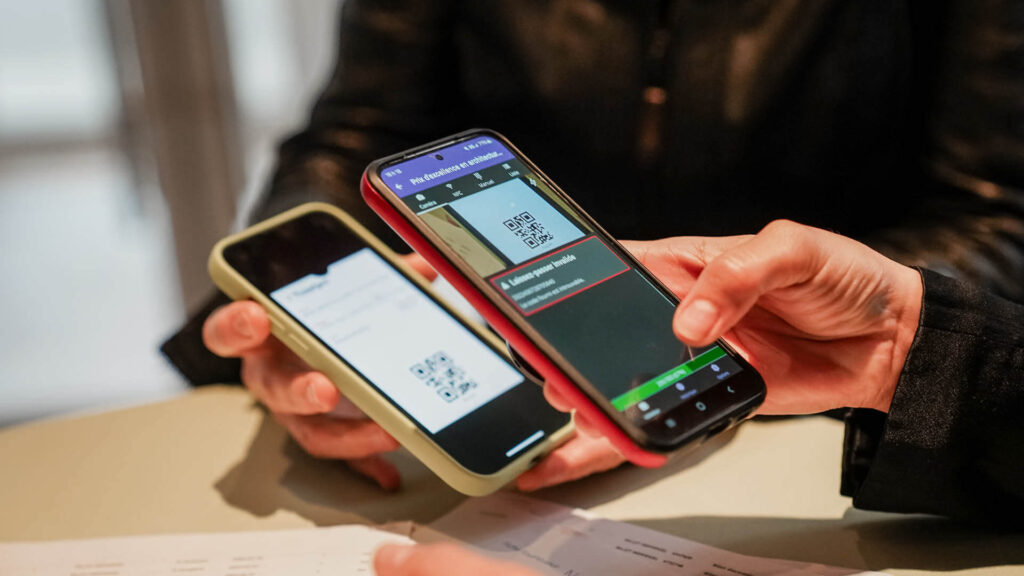
- Frictionless journey: Digitize ticketing, programs, and event documentation using intuitive apps or QR codes to ensure your gathering is both eco-friendly and environmentally friendly.
- Impact measurement: Use specialized tools to get a clear picture of the resources consumed (mobility, energy, food).
- Communicating success: Share positive data with your teams and investors (recovery rates, savings achieved, innovations tested).
- The outcomes: Quantifiable proof of your operational performance, which is particularly valued by management and HR departments.
3. Local and Value-Driven Food Offerings
Gastronomy is central to an event’s success. A thoughtful approach transforms a simple meal into a true culinary experience, all while optimizing your budget and environmental impact.
- Quality partnerships: The ideal approach is to collaborate with local caterers who highlight seasonal products. Making the right choices in corporate event catering allows you to offer creative and gourmet vegetarian menus. With the vast array of caterers and catering services available, selecting a partner renowned for great events catering ensures high culinary standards without compromising the planet.
- Surgical planning: Work closely with your culinary partners to precisely adjust quantities based on actual attendance. This optimizes costs and allows for a surplus redistribution plan (such as community donations) that reinforces your positive social impact and aligns with ESG norms.
- Sustainable elegance: Replace disposables with real tableware and stylish water stations, offering a more upscale touch to your guests.
- The outcomes: Tighter control over your food expenses, a memorable tasting experience, and a brilliant showcase for your employer brand.

4. Circular Design and Resource Management
The most successful sustainable events stand out through smart design, where every element is crafted to be beautiful, useful, and reusable.
- Upstream eco-design: Replace fleeting promotional items with exclusive digital perks or corporate gifts that are genuinely eco-friendly and environmentally friendly.
- Smart layouts: Design modular sets and signage that can be reused for your future editions, ensuring your initial investment pays off over time.
- Fluid and aesthetic sorting: Integrate clear, well-thought-out recycling and composting stations that naturally blend into the event’s scenography.
- The outcomes: A direct reduction in material production and waste management costs, alongside concrete results you can easily communicate to your stakeholders.
5. Energy Efficiency and Technology
Technical innovation makes it possible to create spectacular atmospheres while keeping your energy footprint under control. This is a foundational pillar when planning eco-friendly events.
- High-performance venues: Select spaces equipped with modern, certified energy-efficient equipment.
- Optimized technology: Use the latest generation of LED lighting and scale your audiovisual equipment to your actual needs for flawless and economical visual results.
- Electrification: For outdoor setups, plugging directly into the power grid rather than relying on gas generators offers a quieter, more pleasant experience for attendees.
- The outcomes: Controlled energy bills, improved acoustic and visual comfort, and robust data for your ESG reporting.
A large-scale event is a strategic investment. By integrating sustainable practices, you skillfully combine financial performance, an exceptional attendee experience, and corporate responsibility.
As a dedicated conference and event planner, Kumpanni is here to support you through this transition. Acting as your trusted event planning agency, we utilize our strategic vision and rigorous logistics to transform your gatherings into true value-creation levers for your teams, your brand, and the community.
Frequently Asked Questions (FAQ)
Why integrate ESG norms into corporate event planning?
It is a strategic business choice that allows you to optimize your budgets, strengthen your employer brand to attract top talent, and directly meet the sustainability expectations of your business partners.
How can you optimize the budget for a Montreal corporate event using a catering service?
By working closely with the caterer to adjust food quantities based on actual confirmed attendance. This way, you strictly control costs, avoid unnecessary waste, and can easily redistribute any surpluses to local communities.
What are the best practices for designing an eco-friendly event?
Opt for upstream eco-design: create modular sets and signage that can be reused for your next editions. Furthermore, replace disposable promotional items with digital perks or physical gifts that are heavily vetted to be eco-friendly and environmentally friendly.
How does technology help in organizing a more sustainable event?
It helps eliminate paper entirely (via digital ticketing and apps) and allows you to accurately measure your event’s overall footprint (energy usage, attendee mobility) to provide concrete proof of your environmental performance to leadership.