The essentials in 30 seconds:
Inclusive event planning goes far beyond wheelchair ramps. Here are the dimensions every corporate event planner should consider so that no one is left behind.
- Physical accessibility: barrier-free pathways, high-contrast signage, quiet sensory spaces, sign language interpretation
- Dietary inclusion: 300,000 Quebecers live with food allergies. Collect dietary needs at least two weeks in advance.
- Gender and orientation diversity: pronouns on name badges, gender neutral bathrooms, inclusive language from MCs, dress codes without gender categories
- Communication: screen-reader-friendly invitations, 15-minute breaks every 90 minutes, post-event accessibility survey
- Where to start: ask one question in your registration form: “What do you need to participate fully?”
Inclusive event planning is not just about installing a wheelchair ramp. It is a comprehensive approach that touches every aspect of a business event: venue selection, menu, communication, programming and the way each guest is welcomed, regardless of their gender, abilities or beliefs. Whether you are an event planning agency or an internal team organizing your next gathering, when inclusion is built into the planning from day one, every person in the room feels genuinely welcomed, not merely tolerated.
Why Inclusion Is Transforming Corporate Event Planning?
Inclusion in business events goes far beyond regulatory compliance. It encompasses physical accessibility, sensory accessibility, cognitive accessibility, dietary considerations, linguistic accessibility and gender and orientation diversity. When all of these dimensions are addressed, employee belonging strengthens in measurable ways.
A Retention Lever for Businesses
For an HR Vice-President investing in a team-building activity or a recognition evening, event accessibility determines whether 100% or only 80% of employees can actually attend. In a tight labor market, every gesture that strengthens belonging matters. Diversity equity and inclusion are not a trend: organizations that embrace them gain a competitive advantage in attracting and retaining top talent. Whether you work with an event planner Montreal-based or manage events in-house, these principles apply across the board.
The Gala Emergence: When Event Expertise Serves Inclusion
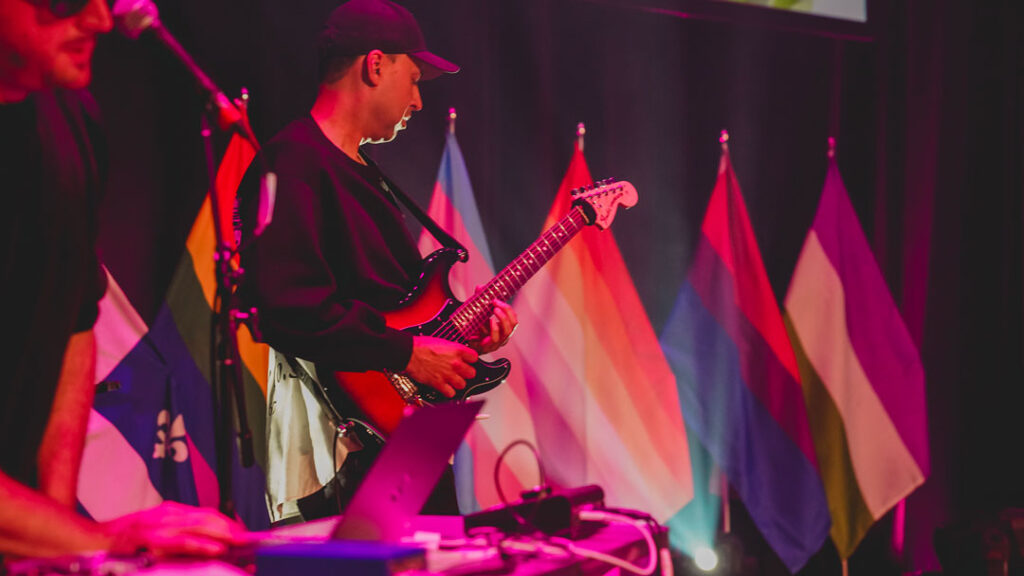
Fondation Emergence has been hosting an annual gala celebrating inclusion and gender and orientation diversity since 2003. Kumpanni has produced the Gala Emergence on multiple occasions, bringing the same planning rigor and attention to detail as for every corporate mandate. What sets this type of event apart is the heightened attention required at every touchpoint: venue selection, MC tone, speaker diversity, signage and guest reception.
What makes the Gala Emergence relevant to any company planning business events is that it embodies what it truly means to produce an event where nobody feels excluded. The same principles apply to a corporate event of 100 people as to a gala of 800: visible diversity among speakers, MC language that assumes nothing, and a welcoming setup designed so that nobody has to ask for an exception
Community Events and Arts and Culture Centre Events as Inspiration
Several community events and arts and culture centre events have led the way in accessibility: the Montreal Jazz Festival, the Francofolies and the FESTIVOIX offer free entry for attendants, adapted seating, accessible shuttles and compliant washroom facilities.
Physical and Sensory Accessibility: The Foundation of Every Event
Physical accessibility is the starting point of any inclusive event planning process. Here are the elements every conference and event planner should verify when selecting a venue and building the logistics plan.
- Barrier-free pathways: from the entrance to every room, washroom, dining area, stage and networking zone. Think about wheelchair accessible events from end to end.
- Transportation and parking: proximity to accessible public transit, reserved parking spots near the entrance, adapted drop-off area.
- High-contrast signage: readable signs with strong contrast, universal pictograms, large fonts. Equally essential for trade show logistics.
- Sign language and captioning: book sign language interpreters for speeches and real time captioning for presentations.
- Quiet sensory spaces: a calm area with low noise and soft lighting for anyone who needs a break.
Dietary and Cultural Inclusion: The Details That Make the Difference
An estimated 300,000 people in Quebec live with food allergies. Add restrictions related to diabetes, celiac disease, veganism,… It becomes clear that a one-size-fits-all menu no longer works.
- Pre-event needs form: include a dietary restrictions question as part of your registration process. Collect responses at least two weeks before the event.
- Clearly labeled menus: every food station should display allergens. Provide at minimum a vegetarian option, a gluten-free option and a dairy-free option.
- Respect for cultural practices: schedule around religious obligations. Offer a discreet quiet space if the event duration warrants it.
Alcohol and alternatives: an often overlooked issue
A cocktail hour centered exclusively on alcohol excludes people in recovery, pregnant attendees, those who abstain for religious reasons and those who simply prefer not to drink. Offer well-crafted mocktails, not just water and juice. When non-alcoholic options are presented with the same care as cocktails, nobody has to explain themselves.
Gender and orientation diversity: Concrete Steps That Change Everything
Inclusion in business events does not require grand gestures. It comes down to logistical and communication details that your attendees will notice immediately, one way or the other.
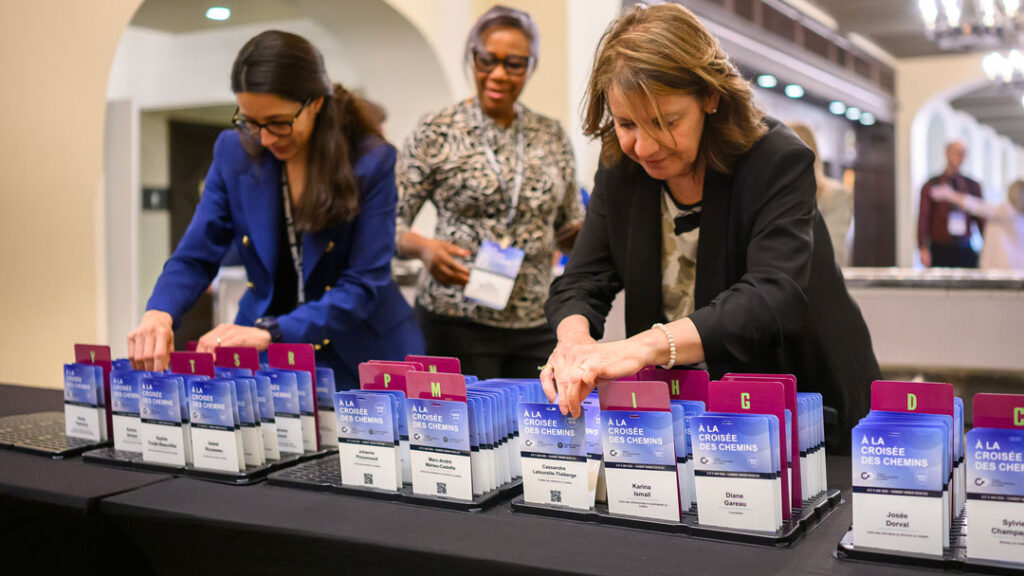
- Pronouns on badges: offer a “preferred pronoun” field in your registration form and print it on the name badge. It is simple, and it sends a strong signal of openness.
- Gender-neutral bathrooms: identify at least one washroom facility accessible to all genders. If the venue does not have one, temporary signage does the job.
- Inclusive MC language: brief your hosts to use neutral greetings (“welcome everyone” rather than “ladies and gentlemen”). Avoid gendered jokes.
- Panel diversity: when selecting speakers or testimonials, aim for diverse representation in gender, background and experience.
Why these steps matter for your employer brand?
When employees see their company taking inclusion seriously down to the details of its events, the impact on pride and belonging is immediate. An event that normalizes diversity without turning it into a spectacle creates the conditions for every person to be fully themselves.
Inclusion Is Not Optional. It Is Your Next Competitive Advantage.
Companies that integrate diversity equity and inclusion into their event management are already ahead. They attract and retain diverse talent, they strengthen their employer brand, and they create experiences people talk about long after the last speech.
Every step matters. A better registration form, a better venue, a better menu, a badge with pronouns: these are actions within reach of every organization, regardless of budget. The important thing is to start.
Planning a corporate event and want it to be truly inclusive? The Kumpanni team supports you from concept to delivery, turnkey and stress-free. Get in touch to discuss your next event.
Frequently Asked Questions (FAQ)
What is the difference between an accessible event and an inclusive event?
An accessible event removes physical barriers: ramps, elevators, adapted washrooms. An inclusive event goes further. It accounts for the full diversity of attendees: neurodiversity, dietary restrictions, linguistic, cultural, gender and orientation diversity. Accessibility is one component of inclusion, but inclusion also encompasses attitude, communication and a genuine sense of belonging.
How do you manage dietary restrictions for a large group?
Collect the data at least two weeks in advance through a structured form. Share it with your caterer from day one. Opt for a “stations” format rather than a single set menu: each station displays its allergens and offers at minimum a vegetarian, a gluten-free and a dairy-free option.
What makes Kumpanni’s approach to inclusive events different?
Kumpanni designs turnkey events where inclusion is built into the concept from the start. Our collaboration with Fondation Emergence and our experience as a corporate event planner have confirmed that inclusion cannot be reduced to a checklist: it lives in every detail, from the first planning meeting to the last guest walking out the door.